
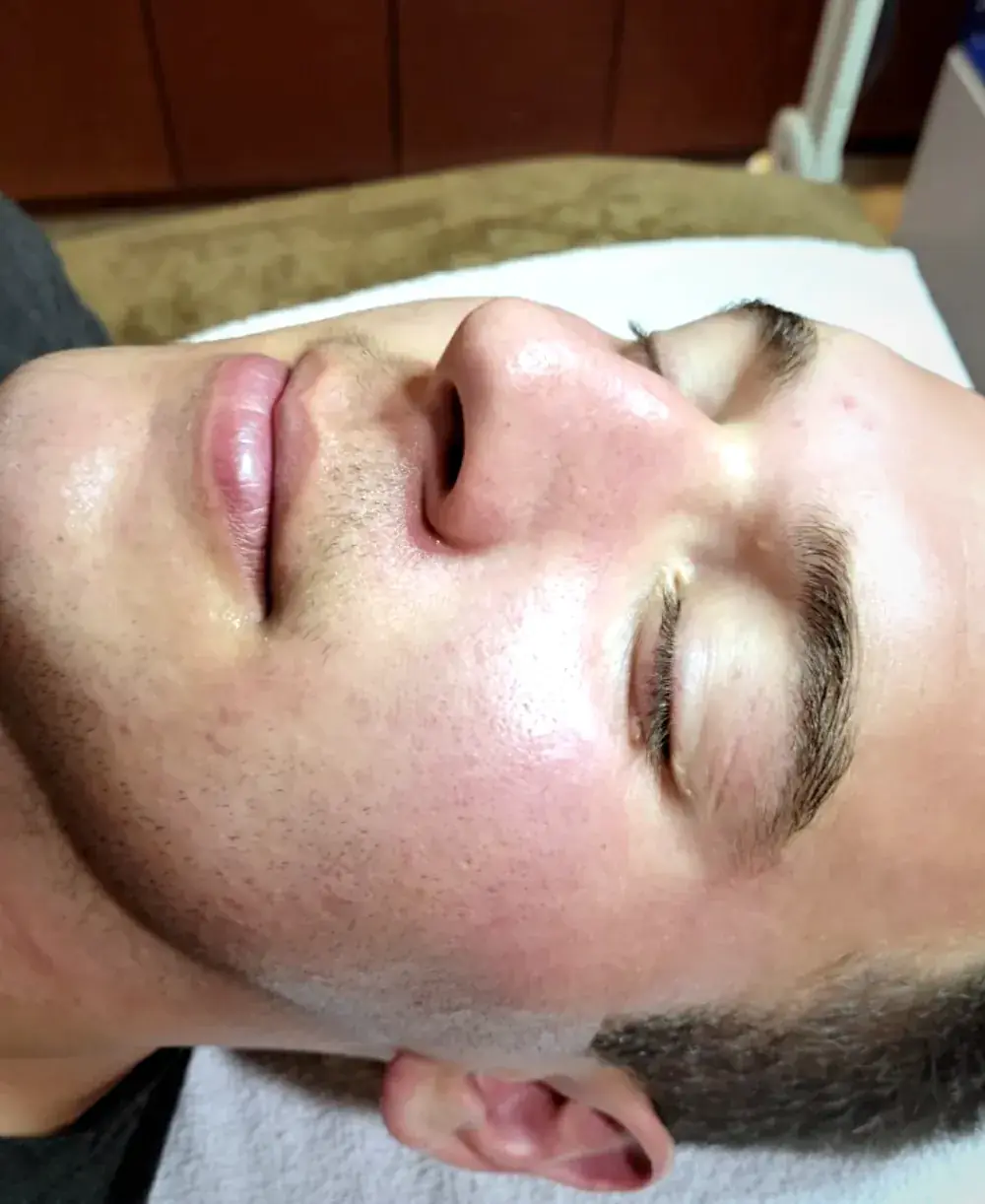
Short answer. Peels work on the surface and outer layers, so they suit tone, dullness and congestion. Microneedling works deeper, so it suits texture, fine lines and scarring. Skin that needs both usually starts with peels and adds microneedling once the barrier is calm.
Both get described as “resurfacing”, which is where the confusion starts. The useful question is not which is better — it is which layer your concern lives in.
What is the actual difference?
A peel uses acids at a strength matched to your skin to loosen and release surface cells, improving clarity and tone with little or no downtime at lower strengths. Microneedling creates controlled micro-channels that trigger the skin’s own repair response deeper in the dermis, which is what supports collagen over months.
Which one for which concern?
Aggressive depth is not a strategy. Repeated, controlled stimulation gives better-looking skin than one heavy session your barrier has to recover from.
How the two get sequenced
For skin that needs both, Marina usually starts with peels to settle tone and congestion, then introduces microneedling once the barrier is stable — commonly alternating across a plan rather than stacking them in the same visit. Microneedling runs three to six sessions, four to six weeks apart; texture changes appear from about four weeks and firmness continues building for three to six months.
What downtime should you plan for?
Asked in the room, answered here
Can I do both in one appointment?
Generally no. Stacking them in one visit asks too much of the barrier; alternating across a plan gets a better result.
Can I have microneedling with active acne?
Not over inflamed breakouts. Marina will treat around them or wait, and may use peels in the meantime.
Does microneedling bleed?
Pinpoint redness is normal at working depths. Visible bleeding is not the goal and is not required for results.
How soon can I wear makeup?
After a peel, usually the same day. After microneedling, wait 24 hours.